

Welcome to Ashley's Critter Gitter LLC's Nuisance Wildlife Identification page. Learn to identify the culprits behind property damage and health hazards. If you are a homeowner, property manager, or pest control professional, this guide is designed to help you distinguish between different types of wildlife droppings and understand the potential dangers they pose. We are located in Avon, Ohio, United States, and serve the surrounding area.
Identify your uninvited guests

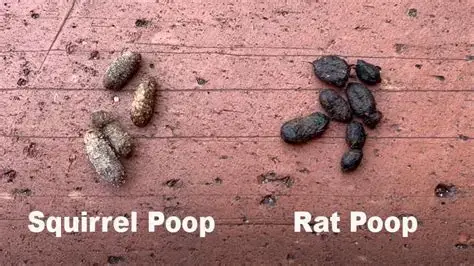
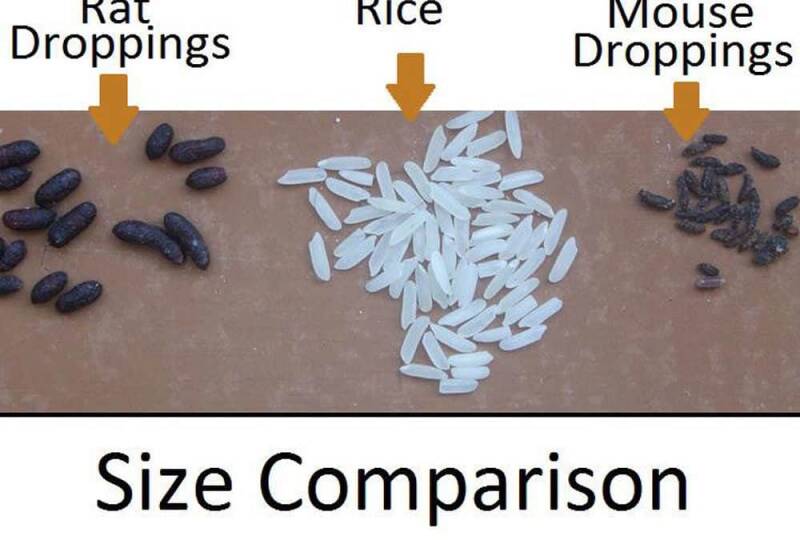
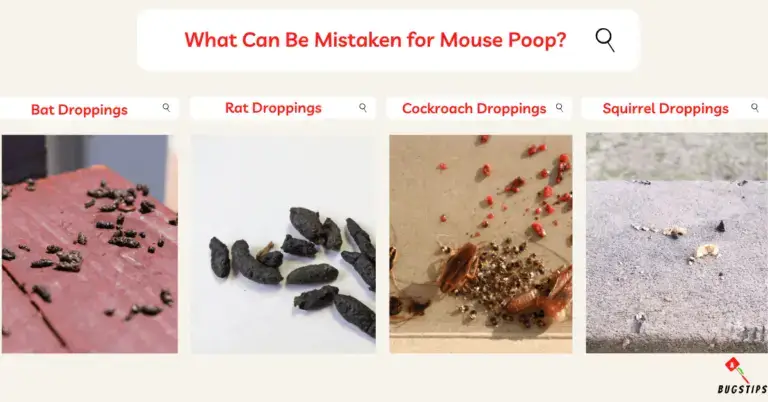
Droppings decoded: Raccoon vs. bat vs. squirrel vs. mice
Differentiating between raccoon, bat, squirrel, and mice droppings is crucial for effective wildlife management. This knowledge helps homeowners, property managers, and animal control professionals pinpoint the specific wildlife causing issues on their property. Identifying the type of critter helps assess the potential damage and health risks and implement targeted solutions. Contact Ashley's Critter Gitter LLC for expert identification and removal services.
Animal Droppings & Disease Risks
Raccoons • Mice • Bats
A quick reference guide for homeowners
🦝 Raccoon Droppings
Primary Disease Risk: Baylisascaris (Raccoon Roundworm)
-
Raccoons commonly carry the parasite Baylisascaris procyonis.
-
Eggs are shed in raccoon feces and remain infectious for years.
-
Humans can be exposed if contaminated material is accidentally ingested.
-
High‑risk areas: attics, garages, crawlspaces, and latrines where raccoons repeatedly defecate.
Other Concerns
-
Droppings often attract flies and other pests.
-
Raccoon latrines can accumulate large amounts of waste, increasing contamination risk.
🐭 Mouse Droppings
Primary Disease Risks
-
Hantavirus Pulmonary Syndrome (HPS)
-
Spread by inhaling dust contaminated with rodent urine or droppings.
-
Risk increases when sweeping, vacuuming, or disturbing dried droppings.
-
-
Salmonella
-
Spread when rodents contaminate food or surfaces.
-
-
Leptospirosis
-
Spread through rodent urine in damp areas.
-
Other Concerns
-
Rodent infestations multiply quickly, increasing contamination.
-
Droppings are often found in kitchens, basements, and storage areas.
🦇 Bat Droppings (Guano)
Primary Disease Risk: Histoplasmosis
-
Caused by the fungus Histoplasma capsulatum.
-
Spores grow in soil or surfaces enriched by bat droppings.
-
When guano is disturbed, spores can become airborne and inhaled.
-
High‑risk areas: attics, barns, old buildings, and long‑term roosts.
Other Concerns
-
Heavy guano buildup can damage structures.
-
Bat colonies may leave behind mites or other external parasites.
⚠️ Shared Risks Across All Droppings
-
Airborne contamination when droppings are disturbed.
-
Parasites and secondary pests attracted to waste.
-
Structural damage from long‑term accumulation.
-
Odor and staining that worsen over time.
🧹 Why Professional Cleanup Matters
-
Improper cleaning can aerosolize dangerous particles.
-
Protective equipment and proper sanitization reduce exposure risks.
-
Professional removal ensures droppings, nesting materials, and contaminated insulation are safely handled.